Forgotten...
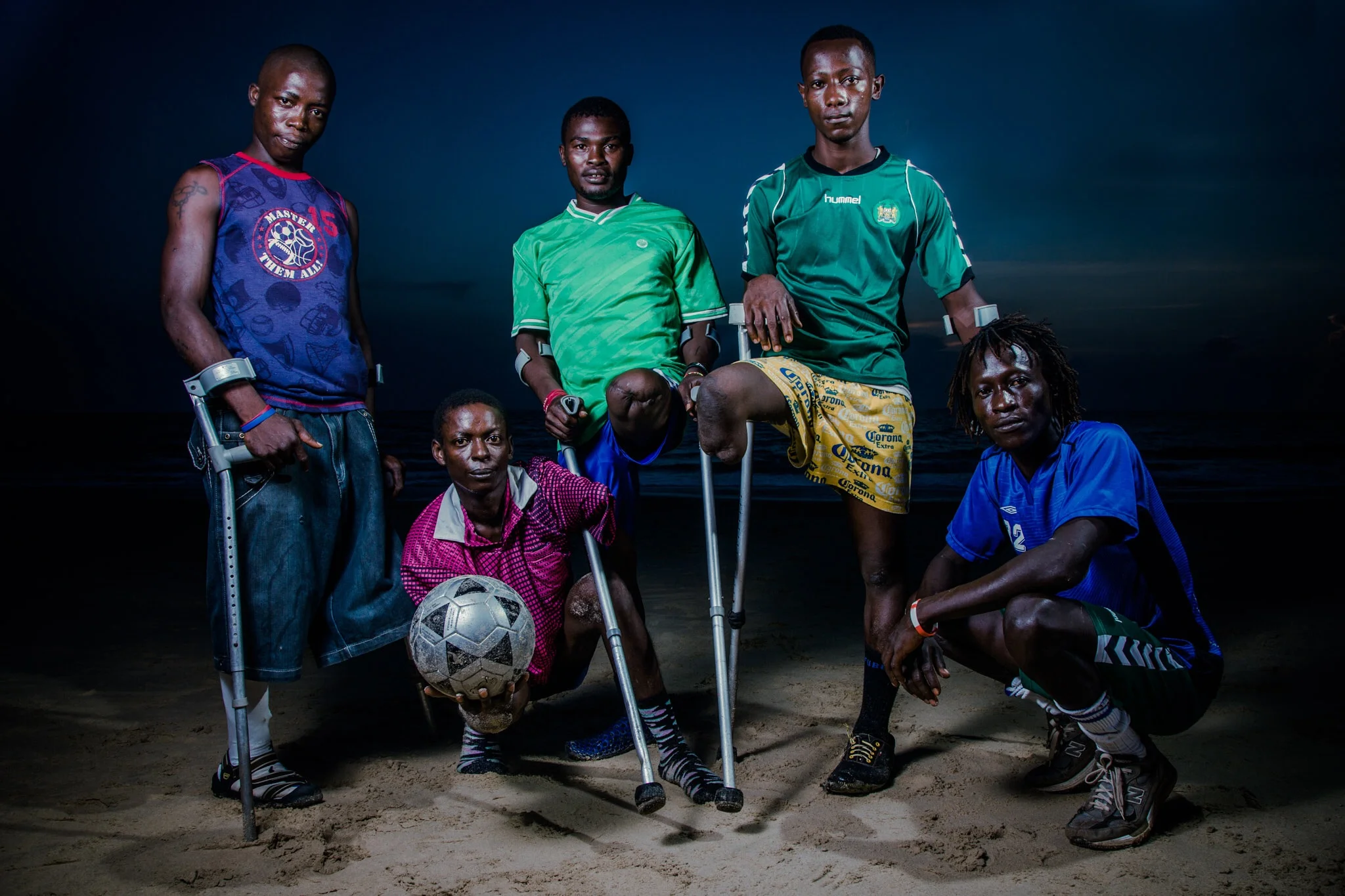
the story of the Amputee Football Club of Freetown and me...
Over the last 7 years I have been developing as a humanitarian photographer. I am engaged in a long term project which could help the situation for a group of unusual and inspirational people who where victims of the amputation campaigns.
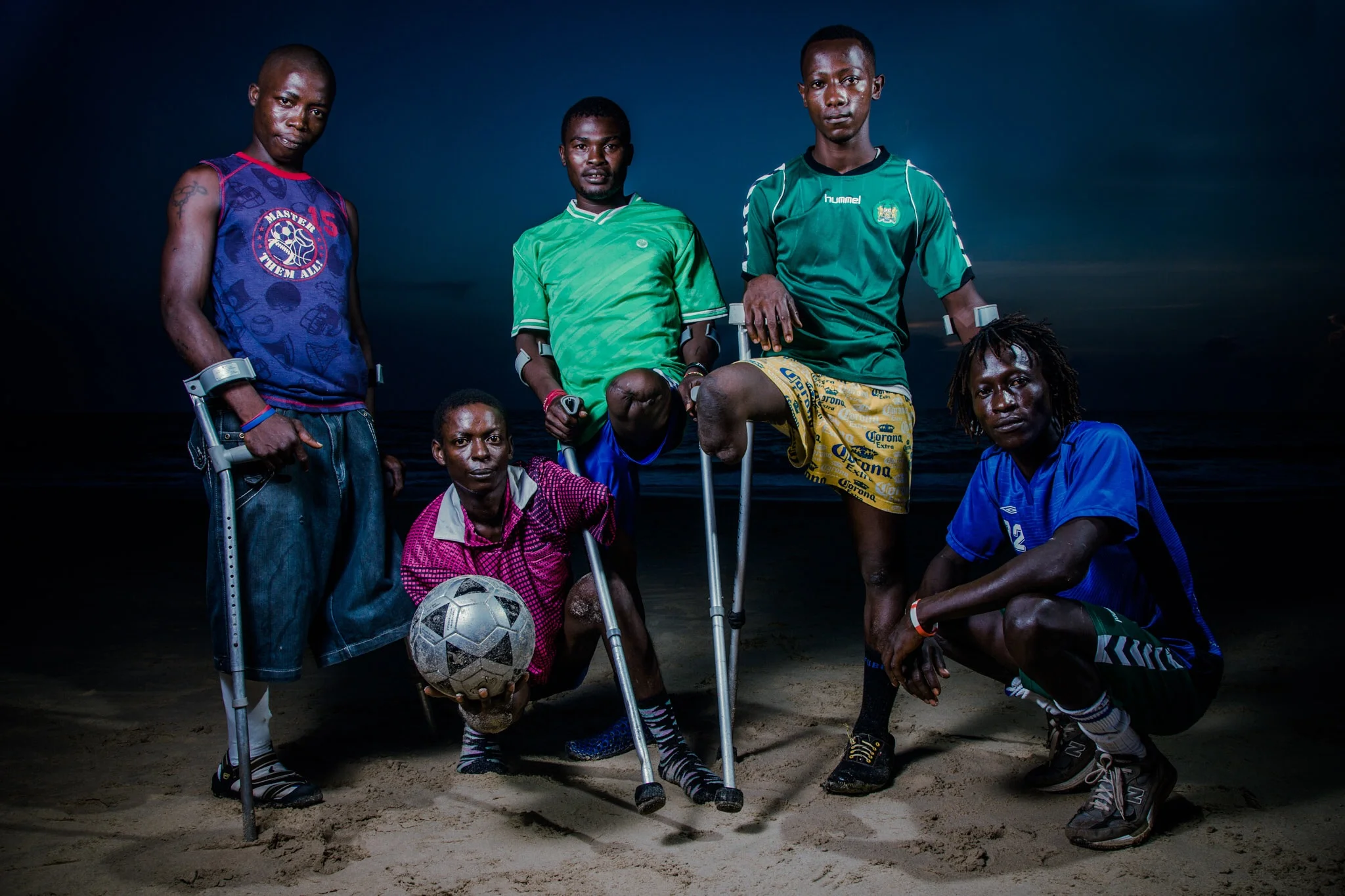
The unlikely story of a group of amputees who against all odds are playing professional football, the last choice one might expect from severely handicapped young men who were maimed as children who were expected to live a life of immobility, marginalization and suffering...
What makes them unusual is that they have undergone the worst the world at war had to offer as children. So much so that they were left with permanent physical reminders of when hell was visited upon them. I'm of course taking about amputees of Freetown, Sierra Leone.
During the war in Sierra Leone rebels embarked on a campign of torture, masacars and systemic amputations. The rebels said the limbs were hacked off to make a specific political statement about voting. The message "keep your hands out of politics" to frighten people from voting. They blame the people for voting for the government of the time... so because of this they are punished in order to spread terror and reluctance to take part in the democratic process. The significance of specifically targeting limbs was due to the fact that the voting process involves making a finger print, simple biometric finger prints were used to cast your vote therefore if you had no hands then you had no fingers and without fingers you have no finger prints.
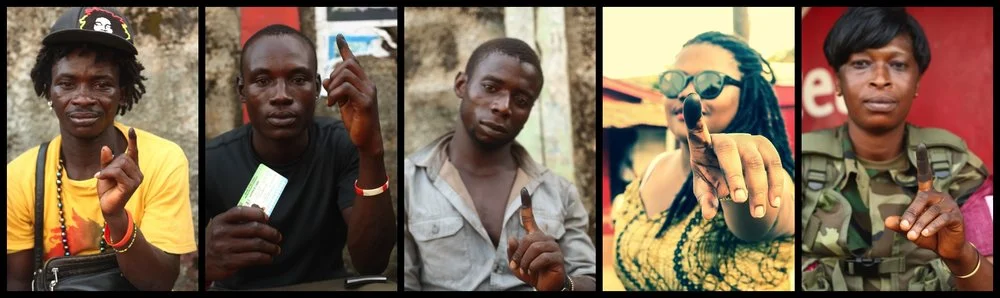
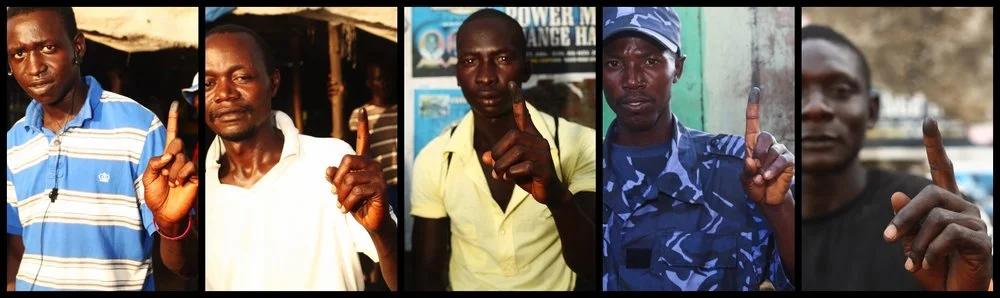
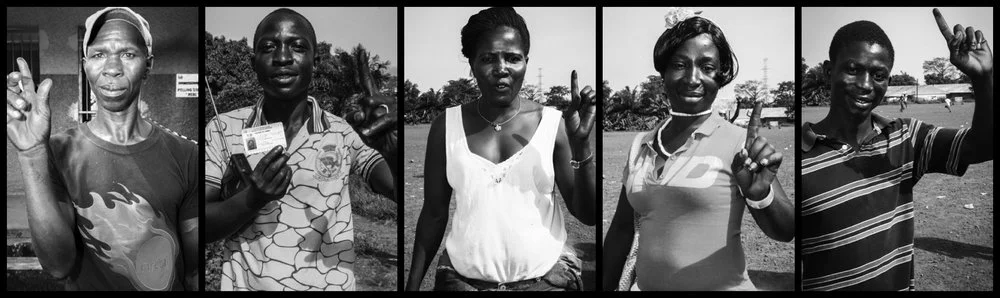
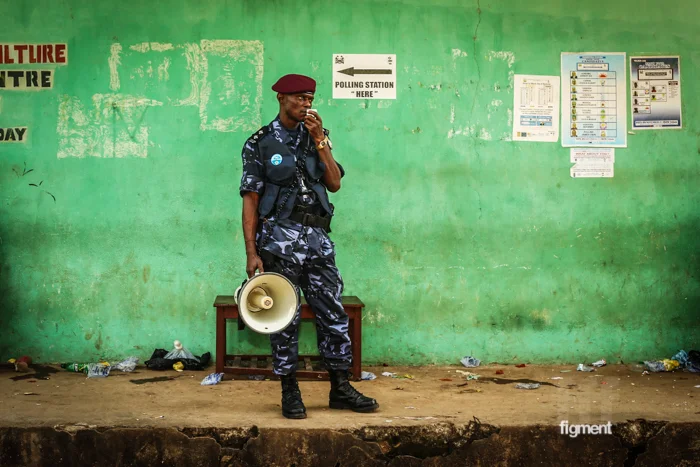
The portraits above celebrate the fact that despite the campaign of terror people went out and voted evidenced by the ink still visible on their fingers.
A few weeks before I was due to travel I was researching the country and it's history. I would discover this shocking story of post independence tragedy. Greed and War had pretty much brought the country to its knees.
In 2012 I would read a story while doing research for an upcoming humanitarian assignment in Sierra Leone. In fact it was the first ever professional international humanitarian assignment working with an NGO on behalf of the United Nations.
Angie Brooks International and UN Women had invited me to travel to Freetown to cover the 2012 democratic Presidential elections. My role was to be that of an Observer/ photographer. I believe I was the first to hold that particular role.
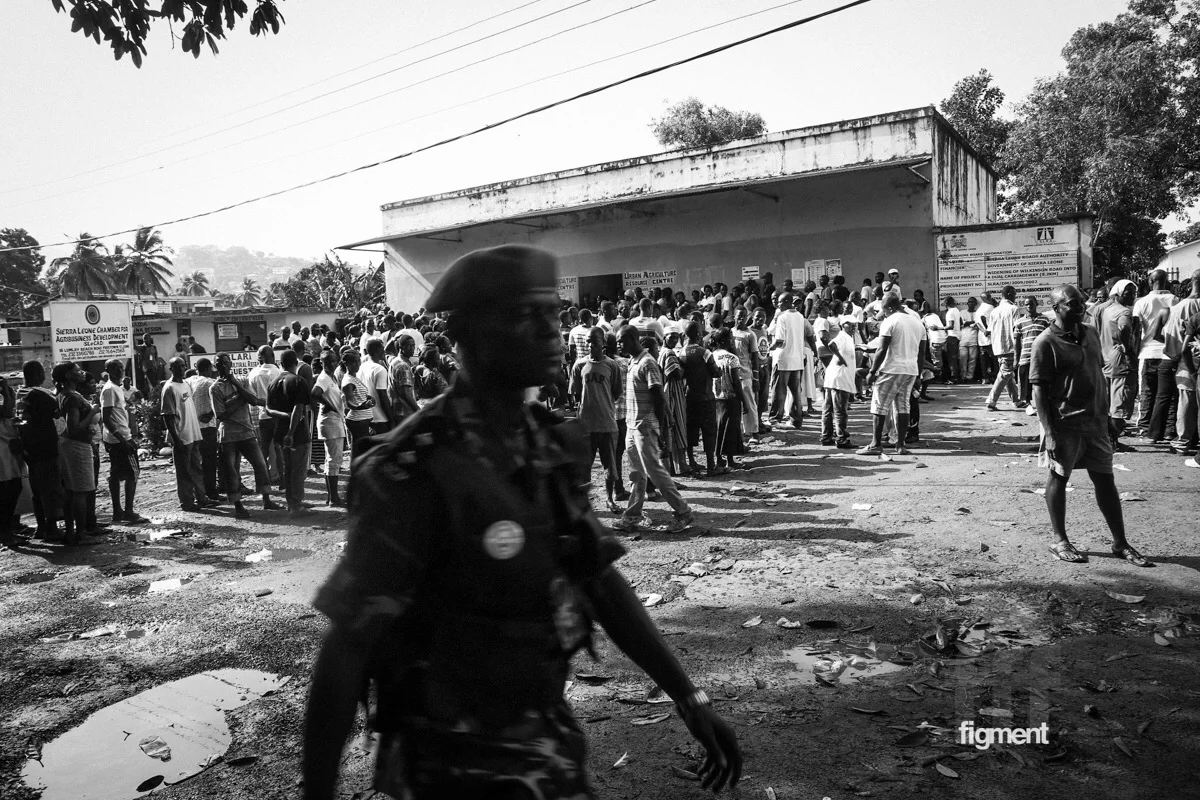
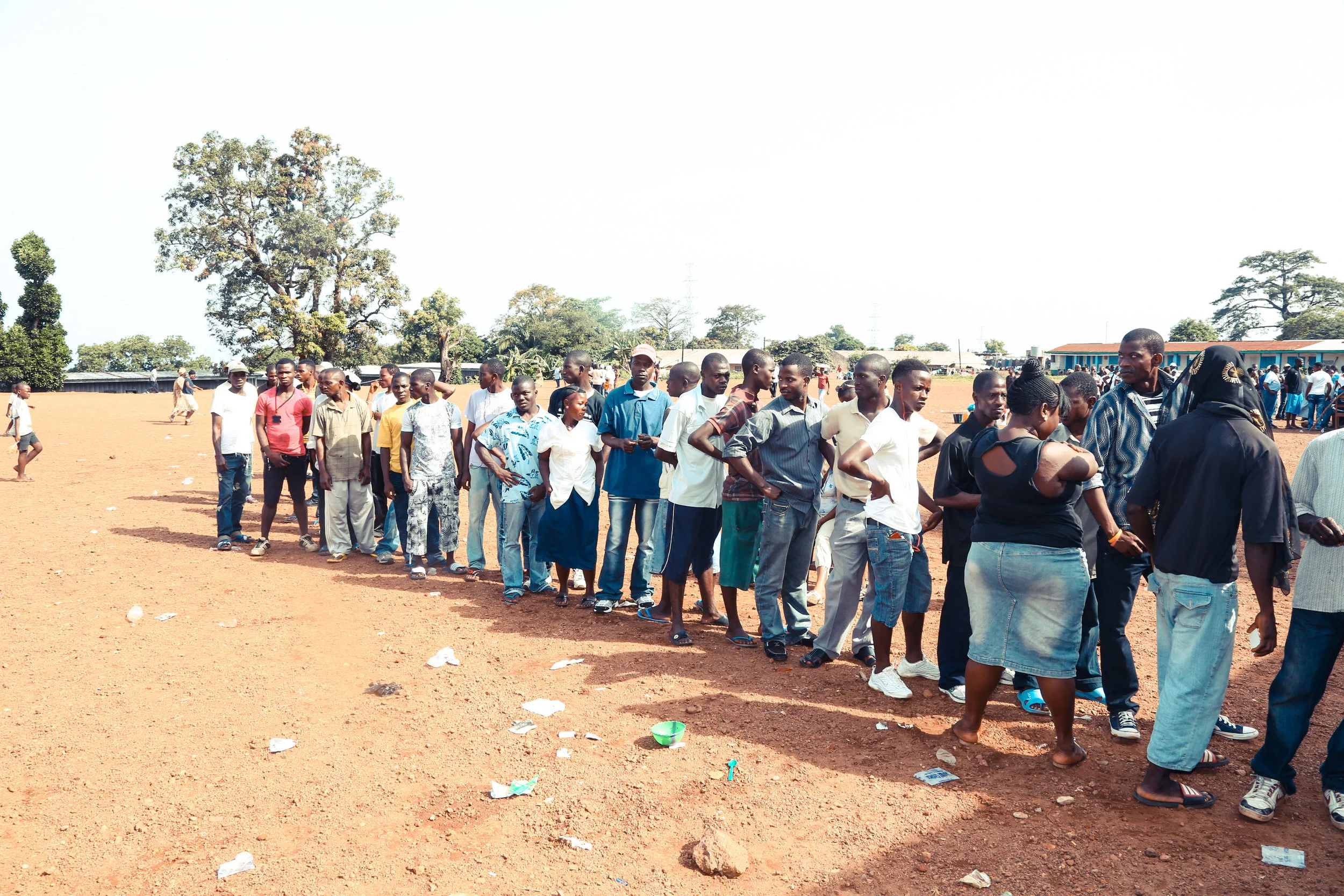
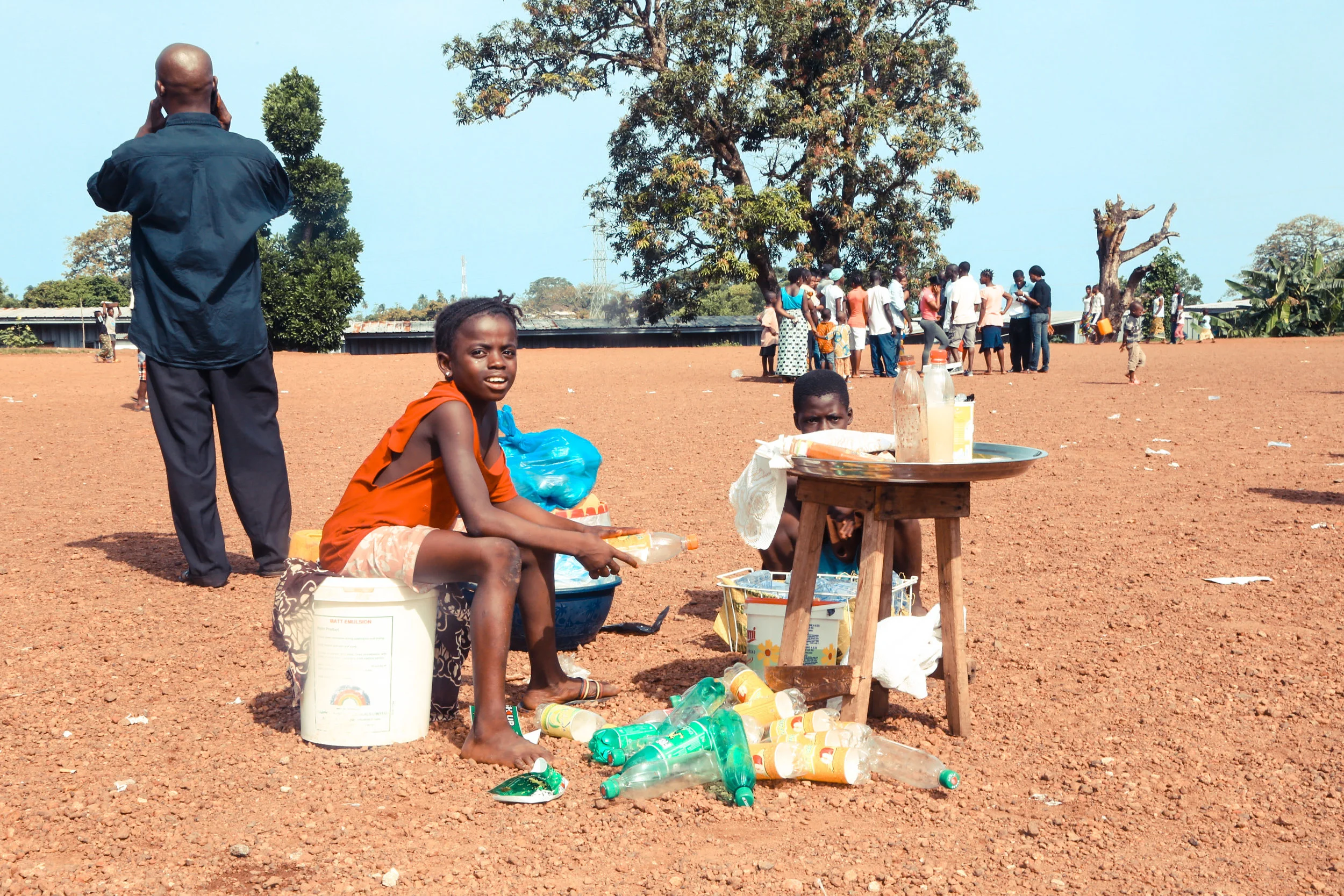
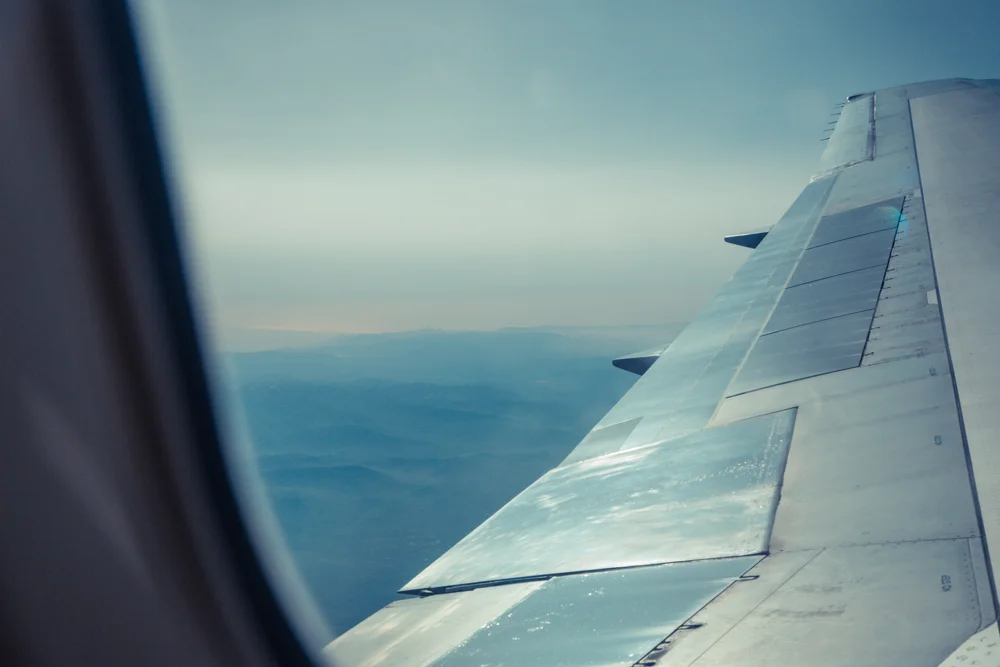
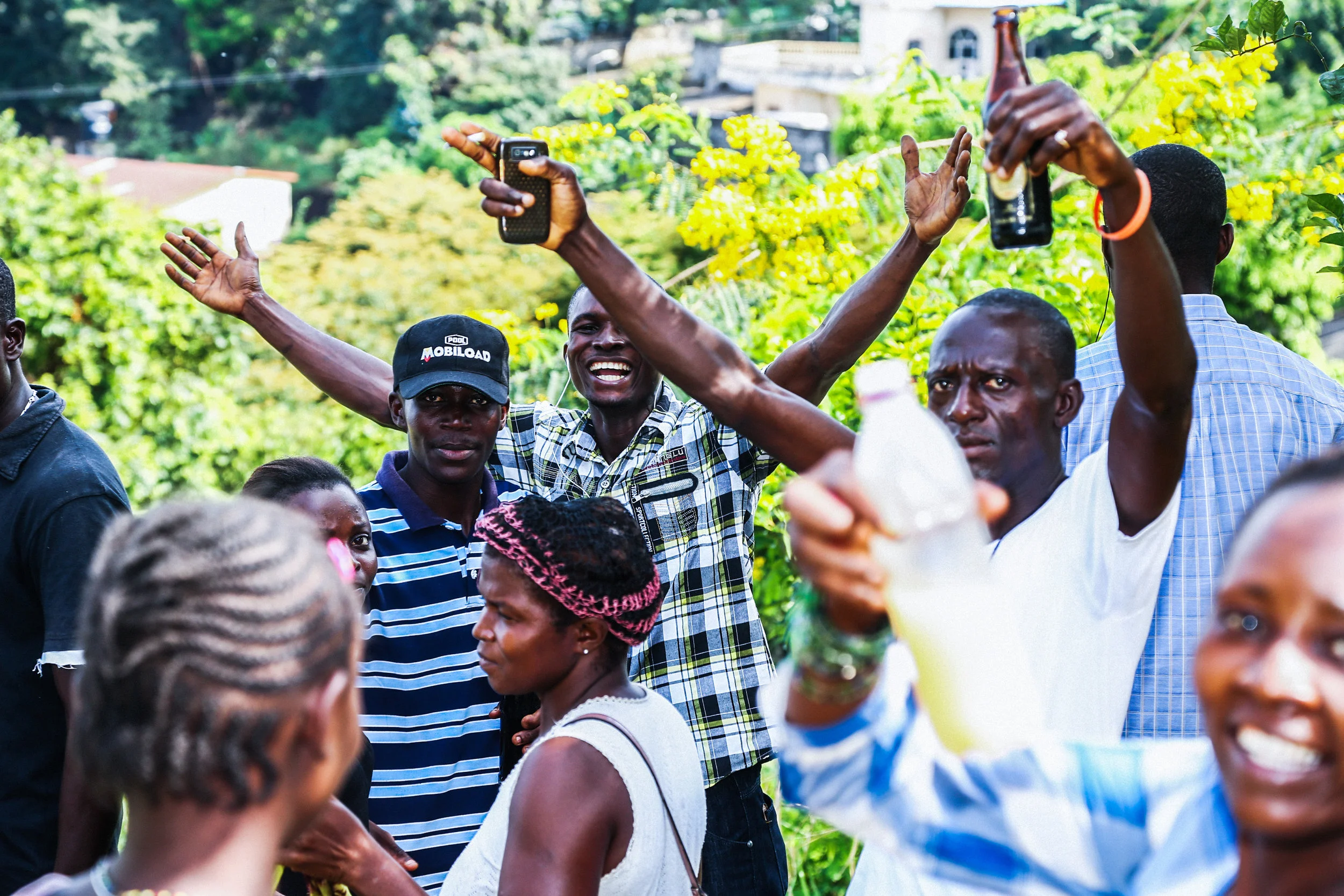
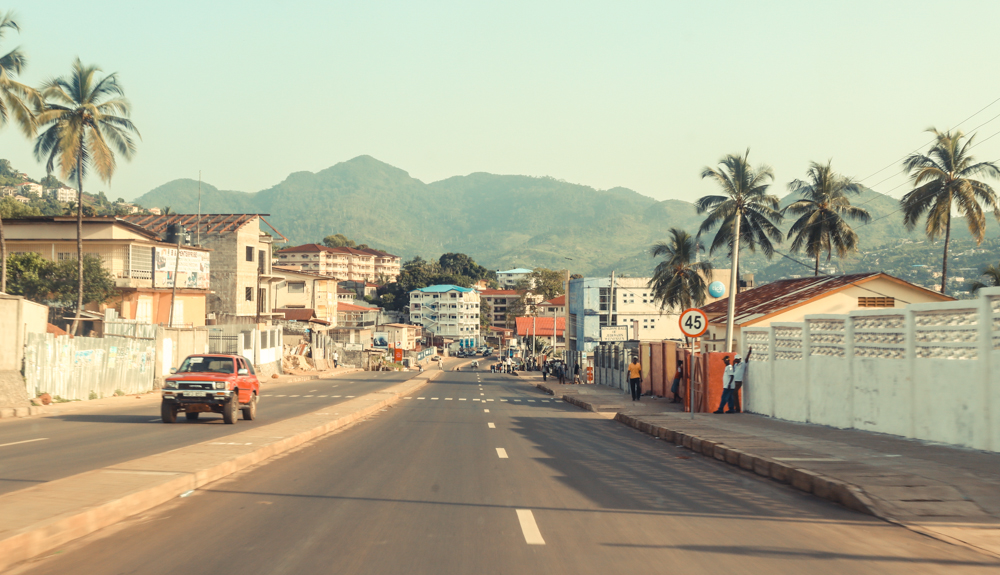
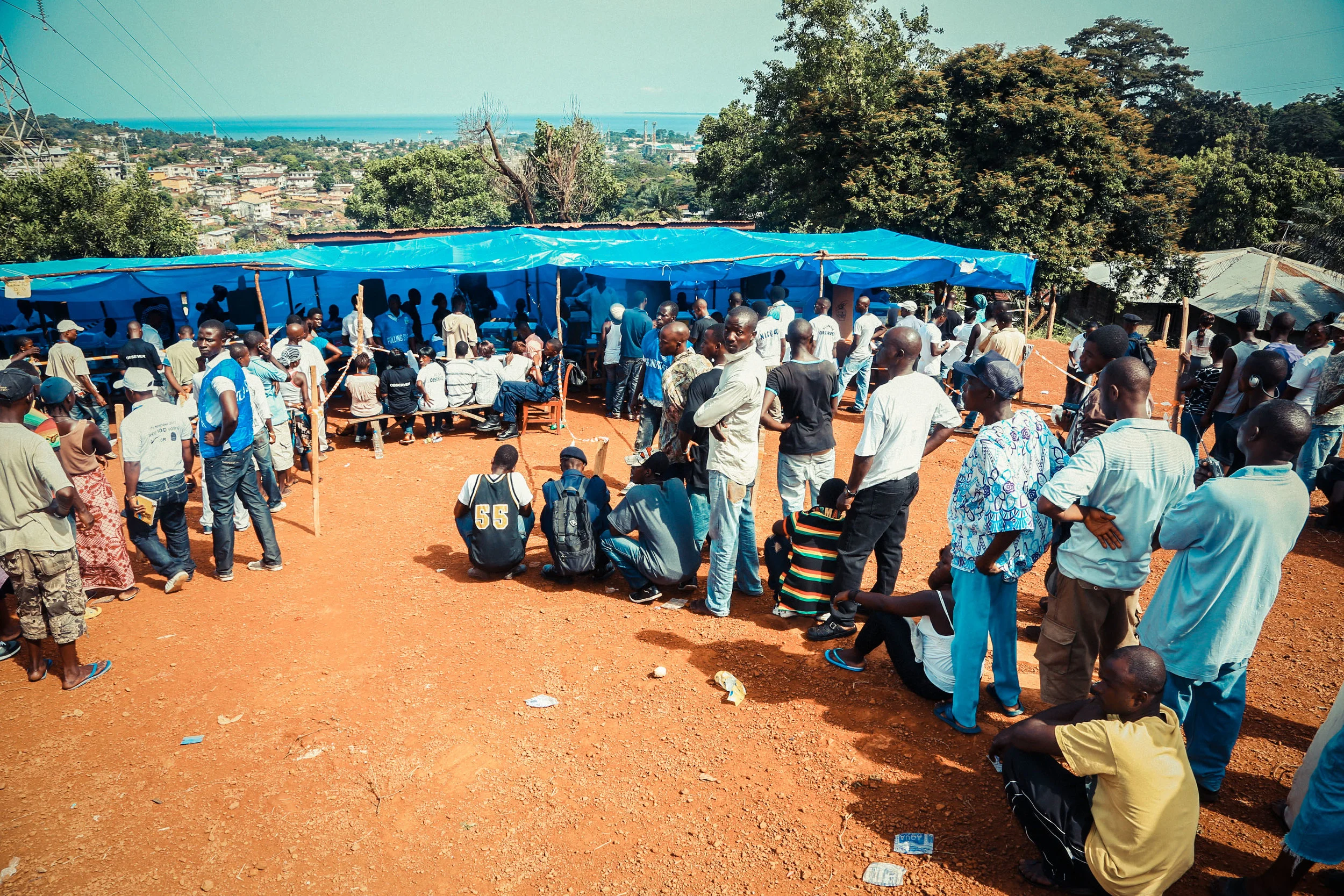
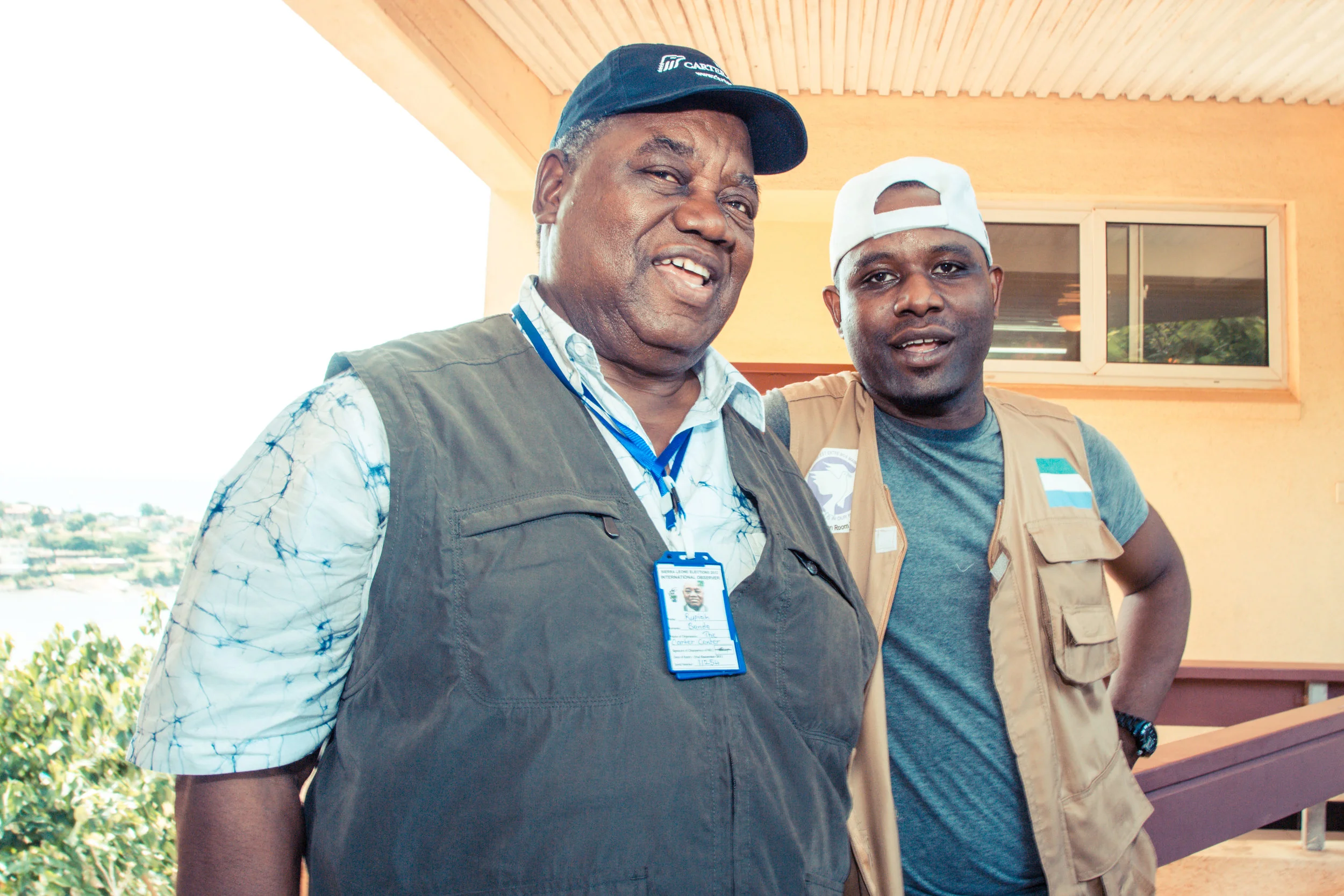
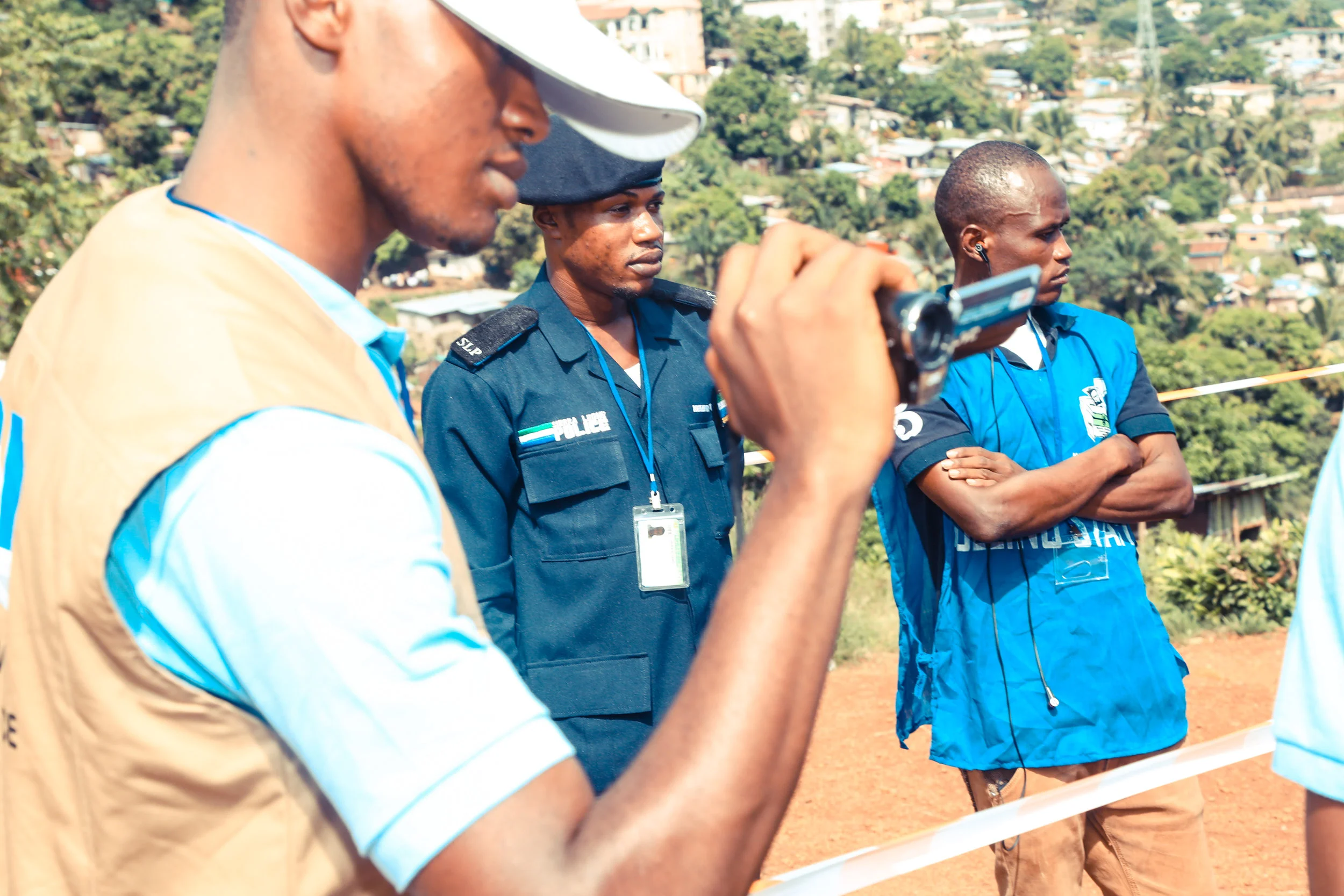
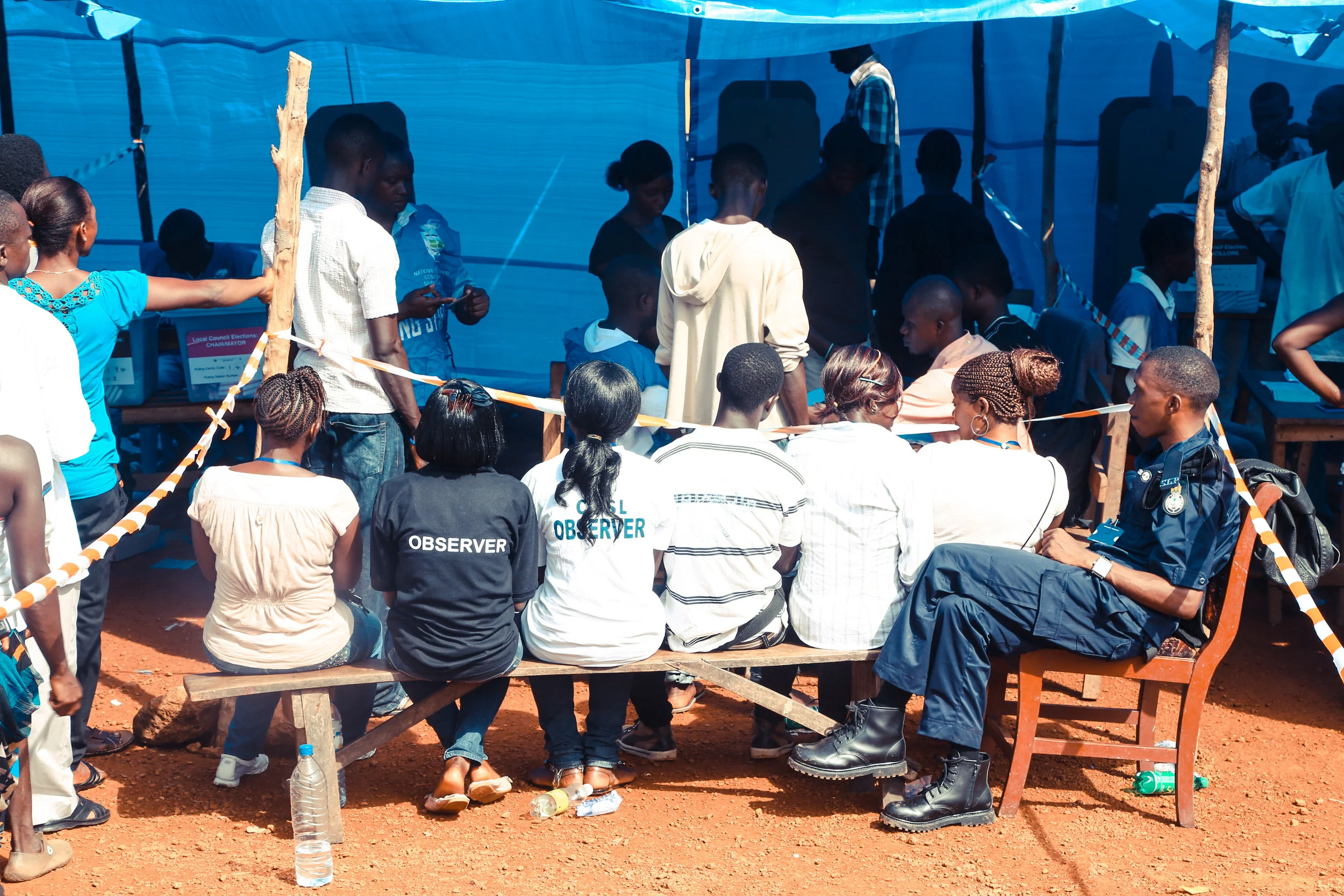
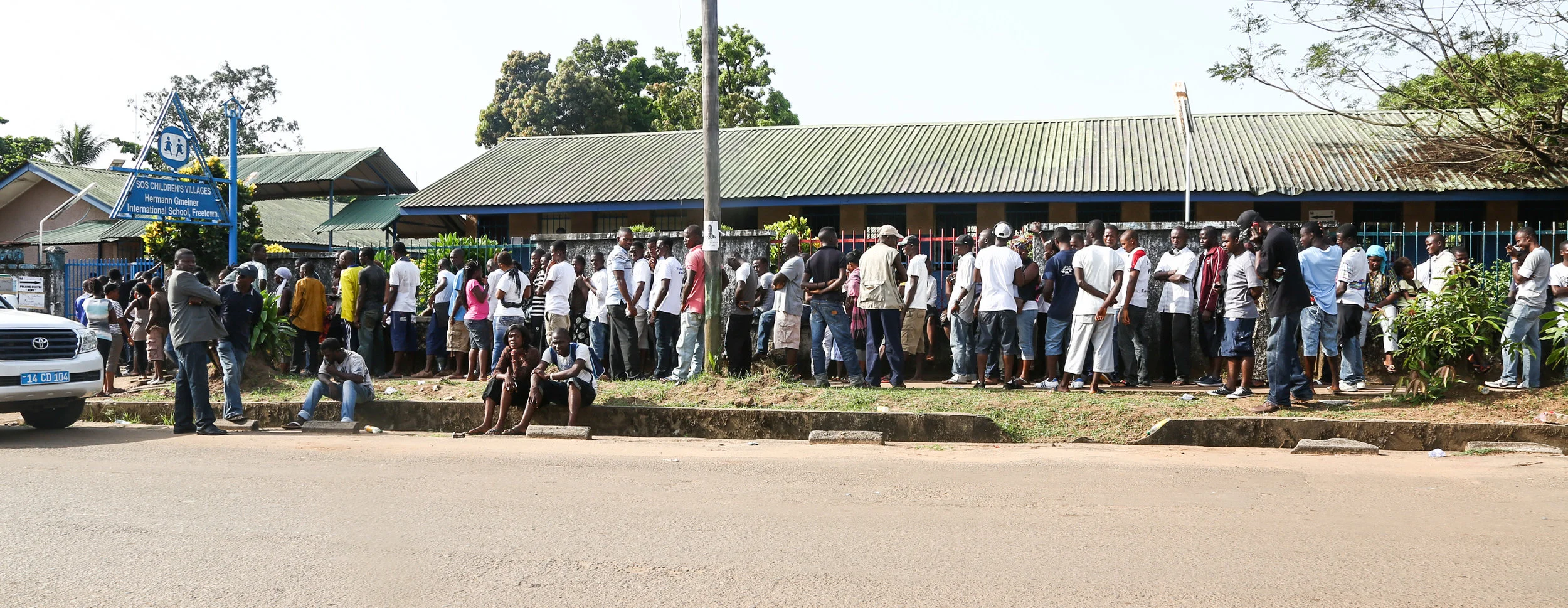
Students had all they're documentation burnt in front of them before cutting off they're handset the wrist.
This was a holocaust where an entire generation was targeted.
Prior to the war 80% of the population lived below the poverty line.
Sierra Leone is one of the richest countries in the world in terms of mineral Resources and a relatively small population.
Diamonds, Gold and other minerals. tantalite (material used in the manufacture of mobile phones) all these resources were being exploited and taken out of the country.
Ironically all the areas that are being mined are poor & lack even basic amenities.
The areas of the country that yield the most resources to the diamond oligarchs and war lords are the ones that live in the worst conditions. Sadly this is a story repeated all over Africa where riches are found...
It's a paradox that anyone regardless of education or cultural background can clearly see.
For me I simply cannot keep seeing things I know are unacceptable and just shrug it off. I have lost the ability to ignore this stuff.
This is a massive problem far beyond me and something that can only be solved with huge shifts in our thinking.
The most important thing for me is to find something that isn't beyond me and can make some kind of positive change to someone. If I can find a way to be part of a solution to something then at least I can sleep at night knowing that I'm doing something... Right now "something" is a 100% improvement on my current position.
It's true what they say... " You can't unsee the truth" and once LIT it's difficult to go back to the familiar shade of ignorance.
This is what has been occupying my time and my mind. This story is now part of my reality. I sought it out not knowing what to expect, only that I wanted to do something to be part of it...
Now that I am. I have no other choice but to follow through on my promise not to give up trying to make something happen...
That was 5 years ago to the day almost. Since that time... I have been benefiting from the entire experience in many ways. Apart from waking me up and inspiring me to never give up on the things I have been working for but also my portfolio.
One of the biggest personal benefits & opportunities to get LIT was the opportunity to speak at TED X, Aso Rock Presidential Villa, Abuja, Nigeria alongside some of the brilliant minds and technocratic leaders in Nigeria... The subject ;
"How Creativity Can Change the World..."
This has given me a sense of purpose and I can see the possibility of it doing the same for many more as well as improving the lives of those that inspired it and paid the ultimate sacrifice for it. They deserve a return on that investment...
attention
Your attention is critical for the next phase. So if you're reading this still and it resonates with you on whatever level, then please take some kind of action. This is not just a fundraising exercise... In fact it's not that at all. It's an appeal for help a mission to build a team to put their energy behind this project. We are looking for contribution of skills, solutions and energy from anyone with the capacity and desire to actually step up and be part of something good... bigger than ourselves.
Being part of the solution certainly feels a damn side better than the reward-less, mundane lives most of us are living. Materialism, is not fulfilling it's promises as it professed...
However we can hold ourselves to a higher standard, keep our promises and finally... Help someone who deserves it...
Right now... Sitting in your pocket.... You actually have the power to do some serious good... especially if you are a creative you are uniquely positioned to offer more in this age of ideas and innovation.
What Choice Do I have? I'm only one person...?
That's the old thinking. It may have had some truth to it at some point... but today the answer is "more choice than you can shake a stick at... " (old school slang for "plenty")
You get the point I hope...
One last thing...
This is a massive deal to me and I need your help... If you have a portrait of yourself that I made with you and for you free of charge and you are genuinely happy with it, of it brings a smile to you or your mum loves that one in particular, then this is your chance to do something that transcends simple transactions then take action.
You can;
Share this post with people who you think might be interested and useful.
Link it to your own blog / website etc.
Message me with some feedback / advice
Work with me as a volunteer of some description...
Pledge financial support for project related expenses (when the time comes)
Help us in any way you feel you can...
The most valuable contribution by far is your time and energy...
Although money is important, its not the only factor, we are trying to find real solutions to long-term matters. Patnerships from companies who can bring their expertese to the project.
Income generating ideas and Non- exploitative partnerships